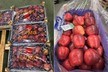

India's apple sector is facing challenges as the Apple Farmers' Federation of India (AFFI) raises concerns over the entry of Washington apples into Indian markets. AFFI is calling for strict import duties in the ongoing trade talks between India and the U.S.
AFFI appealed to the Chief Ministers of Jammu & Kashmir and Himachal Pradesh, proposing a joint delegation to meet Prime Minister Narendra Modi. The focus is to ensure tariff protections for local apple growers remain firm in discussions.
The core issue is the potential reduction of duties on U.S. apple imports amid increasing shipments. Projections indicate imports may hit 600,000 metric tons this year, up from more than 500,000 metric tons in 2023–24, despite current duties. Since 2001, apple imports have increased thirtyfold, accounting for over 22.5% of domestic production, compared to 1.7% two decades ago.
This surge poses risks for over 800,000 apple-growing households in hill states, as they struggle against low-cost imports. Domestic growers argue against competing with subsidized U.S. apples in India's fragile mountain ecologies and climate conditions.
AFFI also urged Union Agriculture Minister Shivraj Singh Chouhan, in his upcoming J&K visit, to support local growers and oppose trade concessions that threaten their livelihood.
The situation highlights a broader issue of balancing U.S. trade relations with protecting domestic sectors, questioning whether free trade can align with agricultural security.
Source: AgroSpectrum