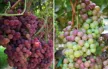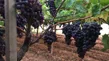

Despite a downturn in the global economy, Namibian fresh grapes exports for 2019 continued to increase, recording a value of close to N$840 million and over 33 million kg in net-weight shipped out. This is more than double the revenue generated by fresh grapes exported in 2015, which produced around N$407 million in sales.
Figures provided by the Namibia Statistics Agency showed that while grape exports declined to around 24 million kg in 2016, this picked up significantly in 2017 and 2018, recording around 27 million and 30 million kg respectively.
Namibian table grapes from the Orange River valley are described by the industry as world class. Not only are local grapevines rated high in major export markets in Europe, but the grape industry is said to be very lucrative for the Namibian economy. Due to the lucrative export markets, the fresh grapes grown along the banks of the Orange River have been described as diamonds that grow on trees.
Major destinations for Namibia’s fresh grapes last year included The Netherlands first at over 10 million kg, then the United Kingdom second with over eight million kg. Germany came in third with over four million kg, followed by South Africa and Belgium with over two million kg each.
Aussenkehr in southern Namibia is considered a miracle in the desert with a climate that is perfect for growing table grapes. The area is world-renowned for the fact that grapes can be harvested three to five weeks earlier than growers elsewhere on the globe. During the harvesting season, a multitude of seasonal workers are employed.
However, despite the number of jobs created, most of those living on the grape farms still bemoan unfavourable living conditions that has drawn the ire of many political and national leaders. Grape farm workers earn a meagre basic wage that does not include fringe benefits, such as medical aid and are accommodated in squalid conditions.
In one specific grape exporting company, only about 500 were employed in 2019, a huge reduction from around 800 in 2018. This, the worker surmised, was due to a slow economy. The employee added that most of the grape exporting companies are foreign-owned.
[ N$ 1 = €0.06 ]
Source: neweralive.na