
A Tasmanian berry grower is hopeful of capitalising on ongoing opportunities after international shipping delays and supply chain disruptions.
Westerway Raspberry Farm is located in the state's Derwent Valley and owner Richard Clark says the freight and logistical issues have led many Australian businesses to become interested in local supply chains and as a consequence his berry products and concentrates.
"In the past, price was probably their biggest concern for many Australian procurement teams," Mr Clark said. "Imported raspberries concentrate or imported IQF raspberries and other types of berries are cheaper overseas because producing small, fiddly berries require a huge amount of labour and Australia has anecdotally the second-highest cost of horticulture labour in the world. As such, we don't have a competitive advantage in producing frozen processing berry ingredients. Some businesses that I have contacted in the past who were interested exclusively in price have all of a sudden become interested in Australian berries. We have now exhausted our 2021 inventories and are getting more good orders for the 2021/22 crop.
"Maybe there is a growing interest in Australian-grown, but maybe it's just the availability and freight costs that are making us more competitive on a purely price basis. The wonderful feedback we are getting though from some big customers is that our berry products are so much better than the imported ingredients they had been using and as a result, they only need to use a fraction of the quantity of our fruit to produce the same result using an imported product.
"Now, something I thought was a transient phenomenon that will only last as long as the international shipping issues exist, I am hoping that this may become a permanent shift in procurements and behaviour, and customers will realise they are getting better value by using our quality Tasmanian fruits and concentrates that are strong in colour, flavour and are better varieties."
Photos: The Westerway Raspberry Farm Facebook Page
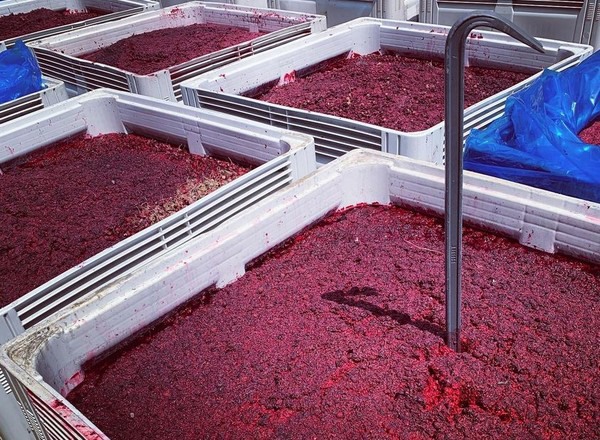
It has also led to the creation of some new products including a 'raspberry crumble', with customers wanting something in between an Individually Quick Frozen (IQF) and block frozen product. Westerway Raspberry Farm has also noticed an increased demand for its purees and concentrates, across raspberries, blackcurrants, blackberries, blueberries, strawberries and even some of its more unique berry varieties including boysenberries, tayberries, silvanberries, josterberries and red currants.
Another highlight this season was that despite severe and unprecedented labour shortages in the broader Tasmanian horticultural industry, Westerway was able to pick every fruit that it wanted to, which Mr Clark says was monumental.
"That was pretty amazing, just getting our crop picked," he said. "In saying that we had to use lots and lots of methods of advertising and recruiting. We had to pay more than ever before and offer better hours and conditions to retain people. All good staff had to be working the hours that they wanted to keep them happy and want to stay on our farm, but we only just had enough labour during peak periods - there were some days where we almost couldn't do a particular task due to staff availability. Luckily we got through though."
There was also a huge lift in visitor numbers to the farm, with the farm shop sales spiking this summer. Mr Clark puts it down to Tasmanians remaining on the island as well as domestic tourists visiting the state from the mainland.
"We probably saw a 40 per cent jump in farmgate and 'pick your own' sales," Mr Clark said. "What could be a more COVID safe experience than hunting for berries in a 10,000 square metre (1ha) field where social distancing is very easy? So many people were working from home during the summer holidays and they, as well as grandparents, wanted to bring their kids out to the farm for the day - it has been wonderful to see."
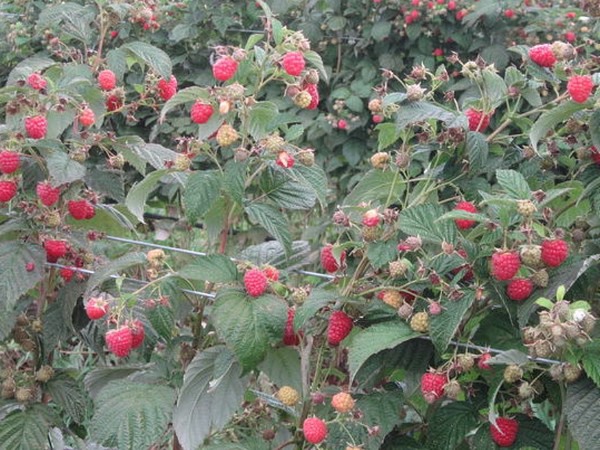
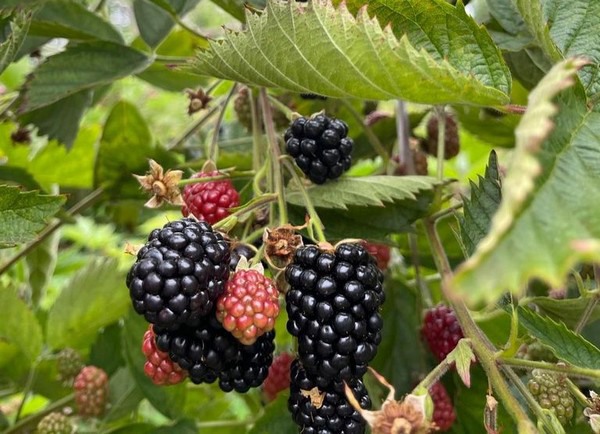
While raspberries are the main fruit at Westerway, visitors wishing to pick their own (PYO) are offered strawberries on tables and thornless blackberries, which are very popular, according to Mr Clark.
“They are easy to pick and if picked at the right time when they have been ripened on the plant, they are exploding with juice and flavour," Mr Clark said. "I love seeing people leave the field with juice stained shirts, fingers and chins! One of our employees, Justin Green, created a saying for picking the thornless blackberries – ‘big bubbles, no troubles’ - and that has become our mantra for picking blackberries on our farm to ensure on the ripe and flavoursome blackberries are put into punnets.
"We always stress that we are a farm that is more about flavour than shelf life. We pick today and it is the job as a consumer to eat them as soon as possible in the next day or two. If you want to buy fruit to eat next weekend, we suggest going to a supermarket or getting a different variety of fruit that has been picked at a more backward stage. We pick our fruit ripe and, as they are mainly heritage varieties, our fruit can be the most amazing eating experience. You want really big drupelets on the blackberry, almost to the stage where they look like they will burst and squirt juice everywhere. Our blackberries are exceptional at the moment."
Westerway Raspberry Farm grows outdoors, which often exposes them to the elements. Mr Clark admits that spring was pretty tough, being cold and wet, which followed a dry winter.
"That meant we didn't get a huge fruit set, especially on our blackcurrants," he explained. "Then in spring, the wet prevented us from getting tractors to spray the flowers for mould, which is one of the few things we spray. Luckily, we were able to get it on in time to limit mould issues this summer. This summer has been pretty dry, almost too dry. It has meant we have only had two days off from picking with the weather, which is exceptional when you are not under protective cropping. In an ideal world, we'd like one big downpour a week because the raspberries blow up nice and big after a big rain. When it doesn’t, we can irrigate directly from the Tyenna river with dripper irrigation. So we are very fortunate and have been happy with the weather."
Mr Clark does admit that he was relieved that the Fair Work Commission did not introduce its piece-rate legislation midway through his harvest, conceding that the reality is that it will mean that some people who would previously be considered for work on the farm will not be considered. Last year, the Fair Work Commission ruled to vary the Horticulture Award to ensure that all pieceworkers must be paid a minimum hourly rate in accordance with the employee’s classification and type of employment - replacing the existing setup of paying solely on the amount of fruit picked.
"Up until now, we had an open-door policy for employment. But now we, like other industries including retail, construction or hospitality, will have to be more discerning about who we employ going forward which will be difficult given the short harvest window seasonal horticulture has," he said.
"Until now we would give anyone (long-term unemployed, grey nomads, people of varying physical fitness a go-to pick on our farm and gain workforce experience, even those who may not have a lot of relevant work experience. Going forward it will be hard for us to give some people without any picking experience a go if we believe they will be unable to reach a certain productivity target in a fast-enough time. So, only experienced fruit pickers may be considered - and that's sad because some keen and willing people of different abilities will have been 'protected' out of a job. It may mean we face a higher staff turnover, greater supervision costs, the introduction of a mobile phone policy and less flexibility around work times and ultimately we will have to let people go. We have never had to ask anyone not to return to work the following day for productivity reasons. But the reality of the Fair Work ruling is there will be people we don't ask back next summer."
For more information:
Richard Clark
Westerway Raspberry Farm
Phone: +61 447 010 701
[email protected]
www.lanoma.com.au